

Joya: atlas / SENDA
Cultural interventions in the landscape
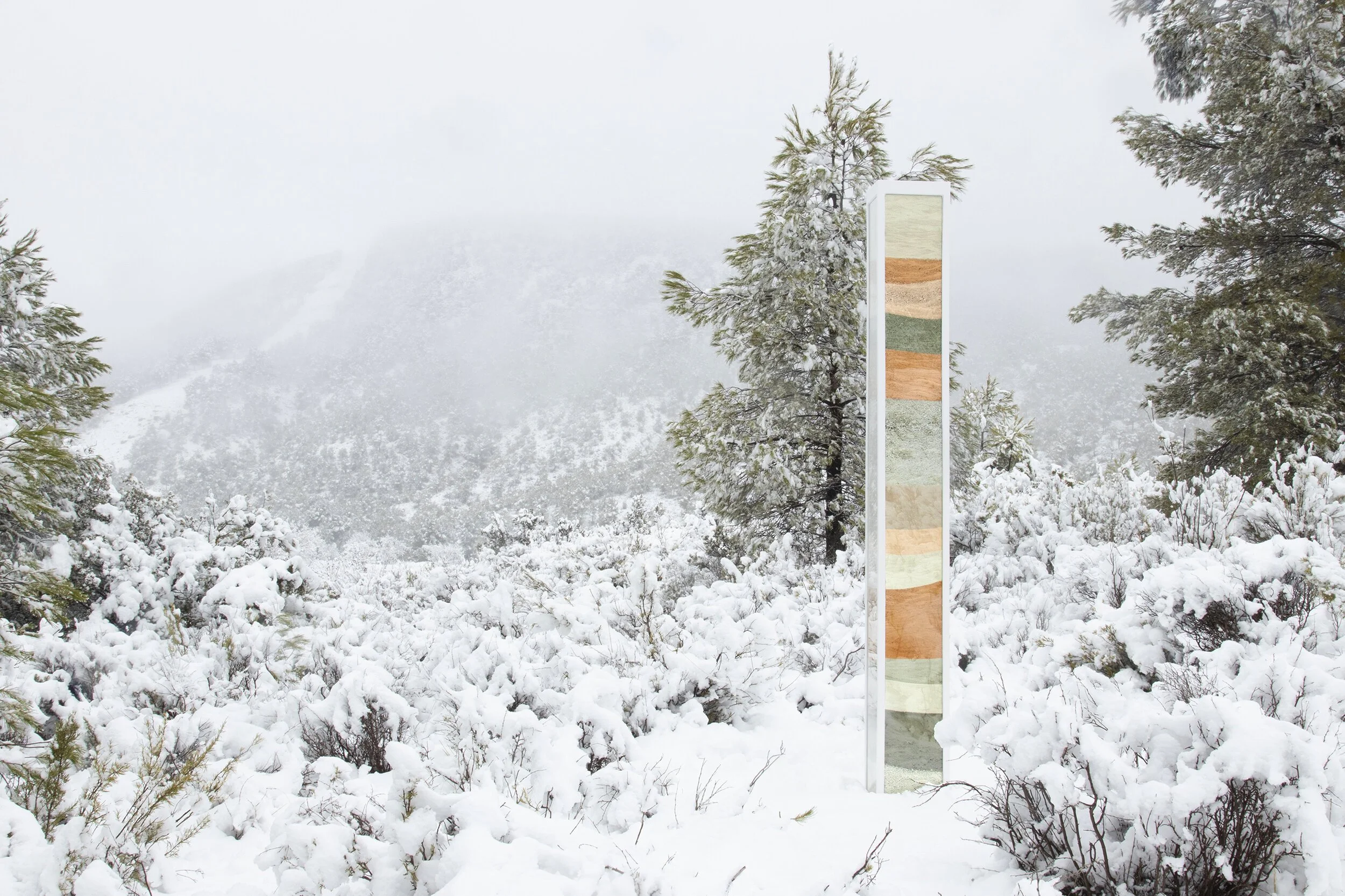
SENDA brings together site-responsive artworks encountered across the landscape of Joya. It grew from a desire to encourage a more attentive relationship with this territory: to offer reasons to enter it, walk through it and spend time within it—not simply as a backdrop for activity, but as a living place to be encountered on its own terms.
Within Joya: atlas, SENDA records how artists have attended to particular places, materials, histories and ecological processes. Each work becomes both a cultural intervention and a situated point within the atlas: something made in response to the land, and something through which the land may be read differently.
The works are not isolated objects placed within a landscape. They enter into existing relationships between geology, water, vegetation, wildlife, cultivation, abandonment and human movement. Some may remain; others may weather, disperse or disappear. Their changing condition becomes part of their meaning and of the atlas’s continuing record.
SENDA develops through permanent, ephemeral and performative works created by artists associated with Joya: AiR. Each intervention is mapped in relation to the pathways, terraces, water systems, habitats and other cultural and ecological features that shape its setting. Observations, photographs and later encounters may be added as both the work and its surroundings change.
The works act as points of attention within a wider experience. They invite visitors to slow down, observe more closely and become aware of the ground between one location and another: its paths, materials, changing conditions, other species and traces of human history.
In this context, walking becomes a way of reading. The route between works is not empty space; it passes through the physical and historical structures that have shaped Joya. Each encounter offers another perspective on the landscape and on the many human and more-than-human activities through which it continues to be made.
SENDA asks how artistic practice might deepen an engagement with place. Each intervention proposes a different way of seeing and moving through the landscape, encouraging curiosity, reflection and a greater sense of connection, responsibility and care.
In this way, SENDA contributes to the wider enquiry of Joya: atlas:
attention → collaboration → interdependence → working with the land → diversity → resilience → coexistence
“A path is little more than a habit that comes with knowledge of a place.”
— Wendell Berry, A Native Hill, 1968
Joya: atlas / SENDA
Intervenciones culturales en el paisaje
SENDA reúne obras de arte concebidas en relación con lugares concretos y que se encuentran distribuidas por el paisaje de Joya. Surgió del deseo de fomentar una relación más atenta con este territorio: ofrecer motivos para entrar en él, recorrerlo y pasar tiempo en su interior, no como un simple escenario para la actividad humana, sino como un lugar vivo que debe ser encontrado y experimentado en sus propios términos.
Dentro de Joya: atlas, SENDA registra cómo los artistas han prestado atención a lugares, materiales, historias y procesos ecológicos específicos. Cada obra se convierte tanto en una intervención cultural como en un punto situado dentro del atlas: algo creado en respuesta a la tierra y algo a través de lo cual esta puede leerse de otra manera.
Las obras no son objetos aislados colocados en un paisaje. Entran en las relaciones ya existentes entre la geología, el agua, la vegetación, la fauna, los cultivos, el abandono y el movimiento humano. Algunas pueden permanecer; otras pueden desgastarse, dispersarse o desaparecer. Su transformación pasa a formar parte de su significado y del registro continuo del atlas.
SENDA se desarrolla a través de obras permanentes, efímeras y performativas creadas por artistas vinculados a Joya: AiR. Cada intervención se cartografía en relación con los senderos, las terrazas, los sistemas de agua, los hábitats y otros elementos culturales y ecológicos que configuran su entorno. A medida que cambien tanto la obra como el lugar que la rodea, podrán añadirse nuevas observaciones, fotografías y encuentros posteriores.
Las obras funcionan como puntos de atención dentro de una experiencia más amplia. Invitan a quienes las visitan a avanzar más despacio, observar con mayor detenimiento y tomar conciencia del terreno que se extiende entre un lugar y otro: sus senderos, materiales y condiciones cambiantes, así como la presencia de otras especies y las huellas de la historia humana.
En este contexto, caminar se convierte en una forma de lectura. El recorrido entre las obras no es un espacio vacío; atraviesa las estructuras físicas e históricas que han dado forma a Joya. Cada encuentro ofrece otra perspectiva sobre el paisaje y sobre las numerosas actividades humanas y más que humanas mediante las cuales este continúa formándose.
SENDA se pregunta cómo puede la práctica artística profundizar nuestra relación con un lugar. Cada intervención propone una manera diferente de ver y recorrer el paisaje, fomentando la curiosidad, la reflexión y un sentido más profundo de conexión, responsabilidad y cuidado.
De este modo, SENDA contribuye a la investigación más amplia de Joya: atlas:
atención → colaboración → interdependencia → trabajar con la tierra → diversidad → resiliencia → coexistencia
«Un sendero es poco más que un hábito que nace del conocimiento de un lugar».
— Wendell Berry, A Native Hill, 1968
(traducción del original en inglés)
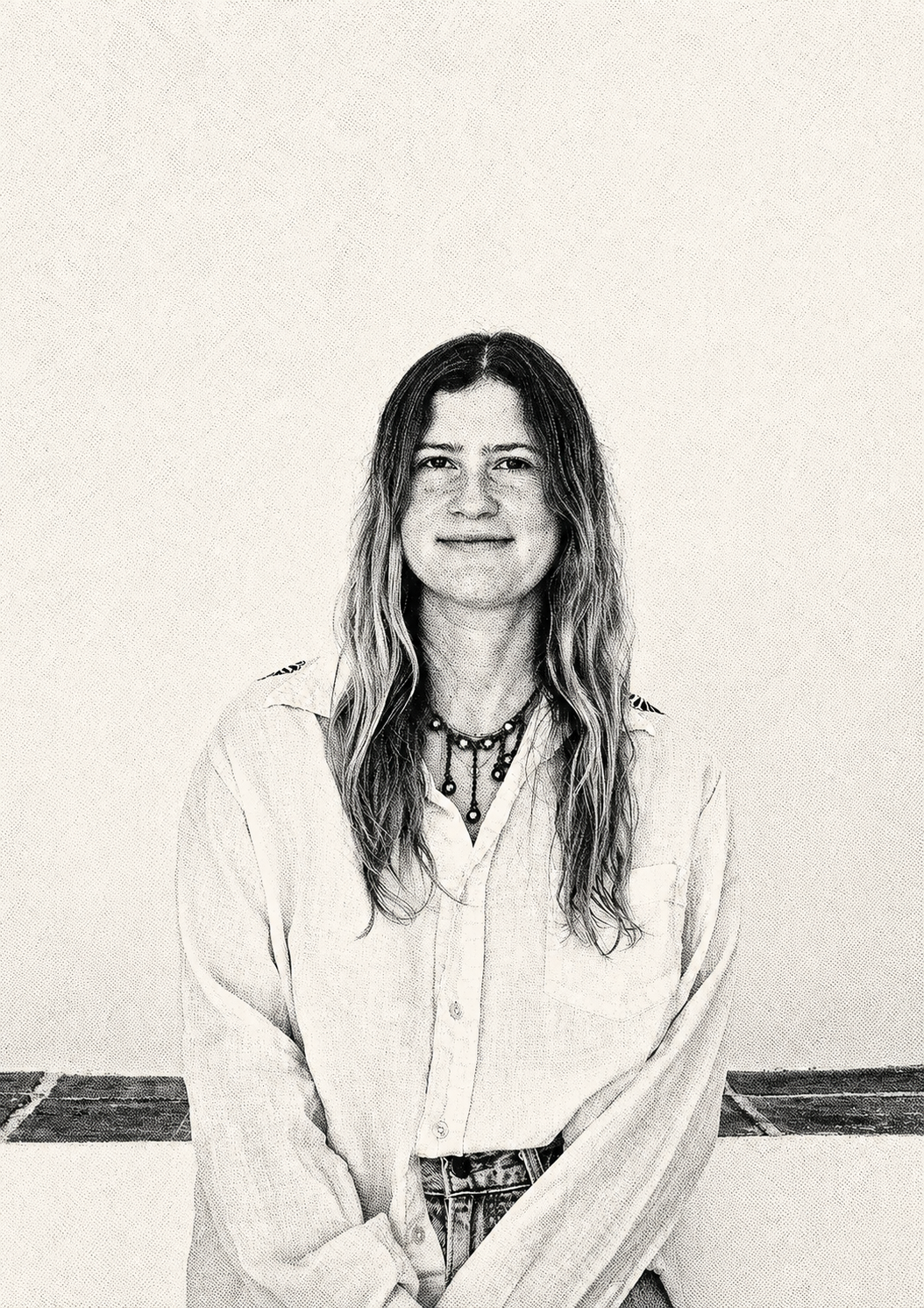
SENDA / Labyrinth / Sophie Anna Gibbings / USA
A site-responsive stone labyrinth created by Sophie Anna Gibbings at Joya: AiR, inviting walking, reflection and a more attentive relationship with the surrounding landscape.
Un laberinto de piedra creado por Sophie Anna Gibbings en relación con el entorno de Joya: AiR, que invita a caminar, reflexionar y establecer una relación más atenta con el paisaje circundante.
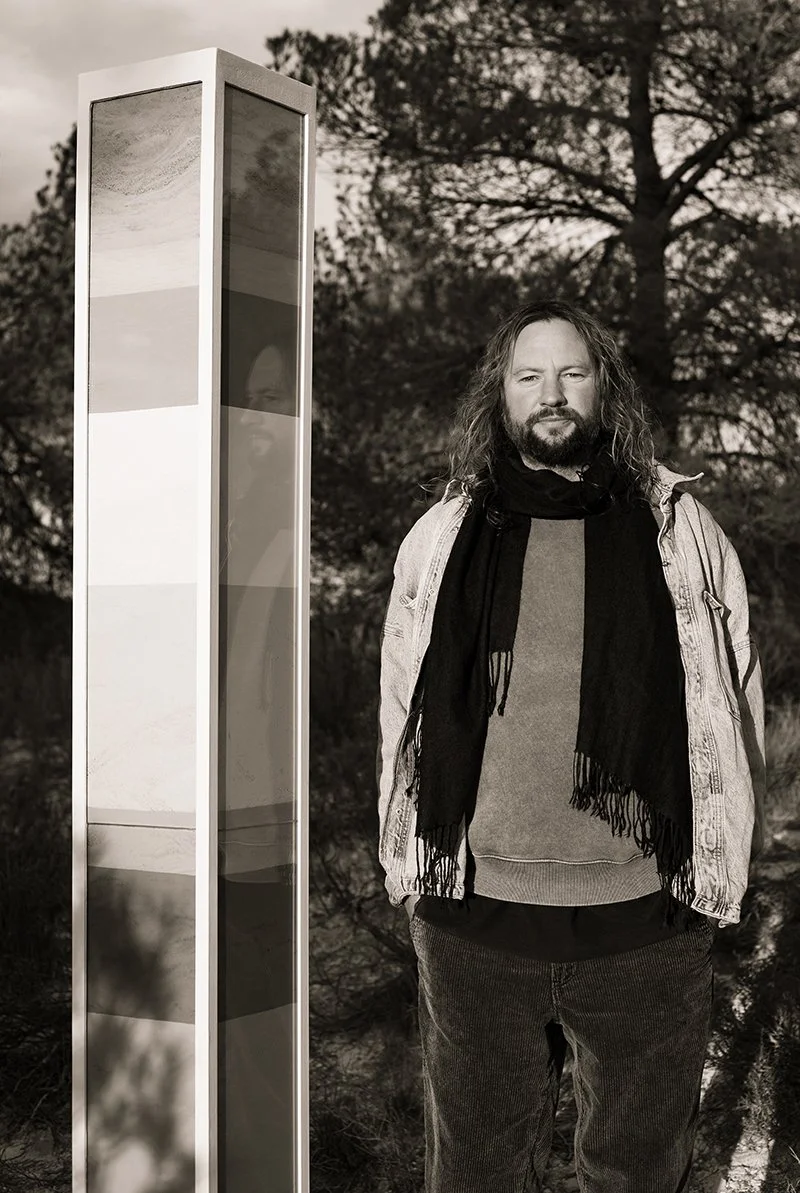
SENDA / Bajo la Sierra Larga / Simon Linington
Bajo la Sierra Larga — Simon Linington
A site-specific sculpture made from materials gathered in a nearby dry riverbed, exploring the relationship between material, memory and place.
Una escultura creada específicamente para este lugar con materiales recogidos en un cauce seco cercano, que explora la relación entre materia, memoria y lugar.