

Joya: berilo
Joya invites artists of all disciplines who work in the care and health sectors to apply for an annual residency award. We welcome those whose artistic practice is integral to their profession, as well as those who pursue it independently.
This invitation expresses our appreciation for those who are devoted to the care and wellbeing of others. At Joya: AiR we understand that such work calls for a depth of empathy that reaches beyond kindness: the ability to meet vulnerability with respect, to remain attentive in difficult circumstances, and to offer reassurance when it is most needed. Many artists belong to this community, whether their artistic practice forms part of their profession or develops alongside it. Joya: berilo honours their contribution by offering time, space and hospitality in which to nurture their creative work.
Within the landscape and community of Joya, the residency offers an opportunity to reflect, experiment and develop ideas, giving creative work the sustained attention that everyday responsibilities can make difficult to find. Artists are welcome to pursue work on any subject, with no expectation that their practice should address care or health.
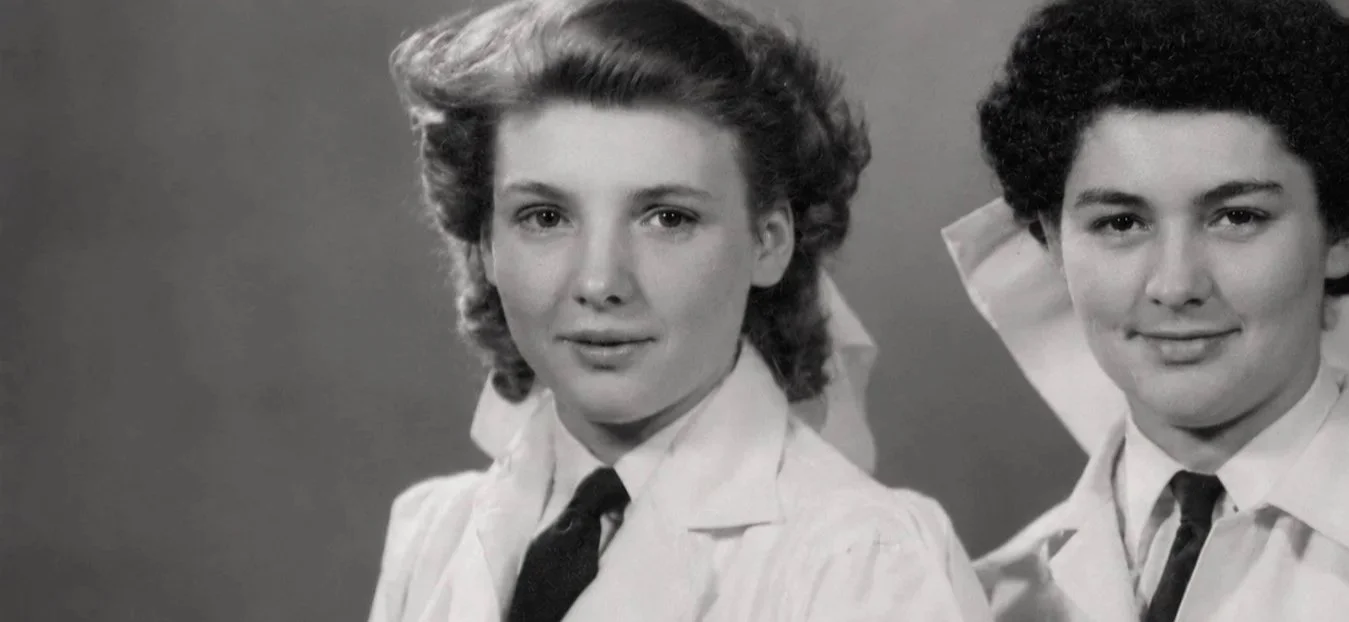
Joya: berilo celebrates the life of Beryl Beckmann, who lived to the age of one hundred. As a physiotherapist, she cared deeply about her community and the people she treated. She understood that their needs did not end when treatment did. She established and ran a charity for people recovering from stroke, bringing continued care, companionship and a sense of belonging to those whose UK National Health Service treatment had finished. We wish this award to carry forward something of her generosity and the quiet conviction with which she made care for others part of her life.
In her spirit, this residency extends care and consideration to those who offer it to others, recognising and supporting the artistic lives of people whose work enriches their communities.
Applications are welcomed from artists of all disciplines who currently work in the care or health sector. Applicants should provide details of their role and place of work, together with supporting evidence of their employment. They must hold a degree in the arts or humanities and demonstrate an active artistic practice through exhibitions, publications, performances or equivalent activity relevant to their discipline. Applicants should apply through the normal Joya: AiR application page, clearly stating that they wish to be considered for the Joya: berilo residency award.
The award offers a one-week residency at Joya: AiR, with the residency fee waived in full, providing time and space for creative work within its landscape and community. Each award recipient will also be profiled on the Joya: AiR website and social media, introducing their work to a broad audience. Awardees are responsible for making their own travel arrangements and covering the cost of their journey to and from the residency.
Deadline for Applications 12th November 2016
Joya: berilo
Joya invita a artistas de todas las disciplinas que trabajan en los sectores de los cuidados y la salud a solicitar una beca anual de residencia. La convocatoria está abierta tanto a quienes integran la práctica artística en su profesión como a quienes la desarrollan de forma independiente.
Esta invitación expresa nuestro reconocimiento a quienes dedican su labor al cuidado y al bienestar de otras personas. En Joya: AiR entendemos que este trabajo requiere una empatía profunda que va más allá de la amabilidad: la capacidad de acoger la vulnerabilidad con respeto, mantener una atención cercana en circunstancias difíciles y transmitir tranquilidad cuando más se necesita. Muchos artistas forman parte de esta comunidad, ya sea porque su práctica artística está integrada en su profesión o porque la desarrollan en paralelo. Joya: berilo reconoce su contribución ofreciéndoles tiempo, espacio y hospitalidad para cultivar su trabajo creativo.
En el paisaje y la comunidad de Joya, la residencia ofrece una oportunidad para reflexionar, experimentar y desarrollar ideas, dedicando a la creación la atención continuada que las responsabilidades cotidianas a menudo dificultan. Los artistas pueden trabajar sobre cualquier tema, sin que se espere que su práctica aborde los cuidados o la salud.
Joya: berilo celebra la vida de Beryl Beckmann, quien vivió hasta los cien años. Como fisioterapeuta, se implicó profundamente en su comunidad y en el bienestar de las personas a las que atendía. Comprendía que sus necesidades no terminaban cuando concluía el tratamiento. Fundó y dirigió una organización benéfica para personas que se recuperaban de un ictus, ofreciendo continuidad en los cuidados, compañía y un sentido de pertenencia una vez finalizado su tratamiento en el Servicio Nacional de Salud del Reino Unido. Deseamos que esta beca dé continuidad a algo de su generosidad y de la convicción serena con la que hizo del cuidado de los demás parte de su vida.
Siguiendo su ejemplo, esta residencia ofrece cuidado y consideración a quienes los brindan a otras personas, reconociendo y apoyando la vida artística de quienes enriquecen sus comunidades con su trabajo.
La convocatoria está abierta a artistas de todas las disciplinas que trabajen actualmente en los sectores de los cuidados o la salud. Las personas solicitantes deberán indicar su puesto y lugar de trabajo y aportar documentación que acredite su actividad profesional. Deberán contar con una titulación universitaria en Artes o Humanidades y demostrar una práctica artística activa mediante exposiciones, publicaciones, actuaciones u otras actividades equivalentes propias de su disciplina. Las solicitudes se presentarán a través de la página habitual de solicitudes de Joya: AiR, indicando claramente que se desea optar a la beca de residencia Joya: berilo.
La beca ofrece una residencia de una semana en Joya: AiR, con exención íntegra de la cuota de residencia, proporcionando tiempo y espacio para el trabajo creativo en su paisaje y comunidad. Cada artista seleccionado contará también con un perfil en la web y las redes sociales de Joya: AiR, dando a conocer su obra a un público amplio. Las personas beneficiarias deberán organizar y costear su viaje de ida y vuelta a la residencia.
Fecha límite para presentar solicitudes: 12 de noviembre de 2016
