Berilo:
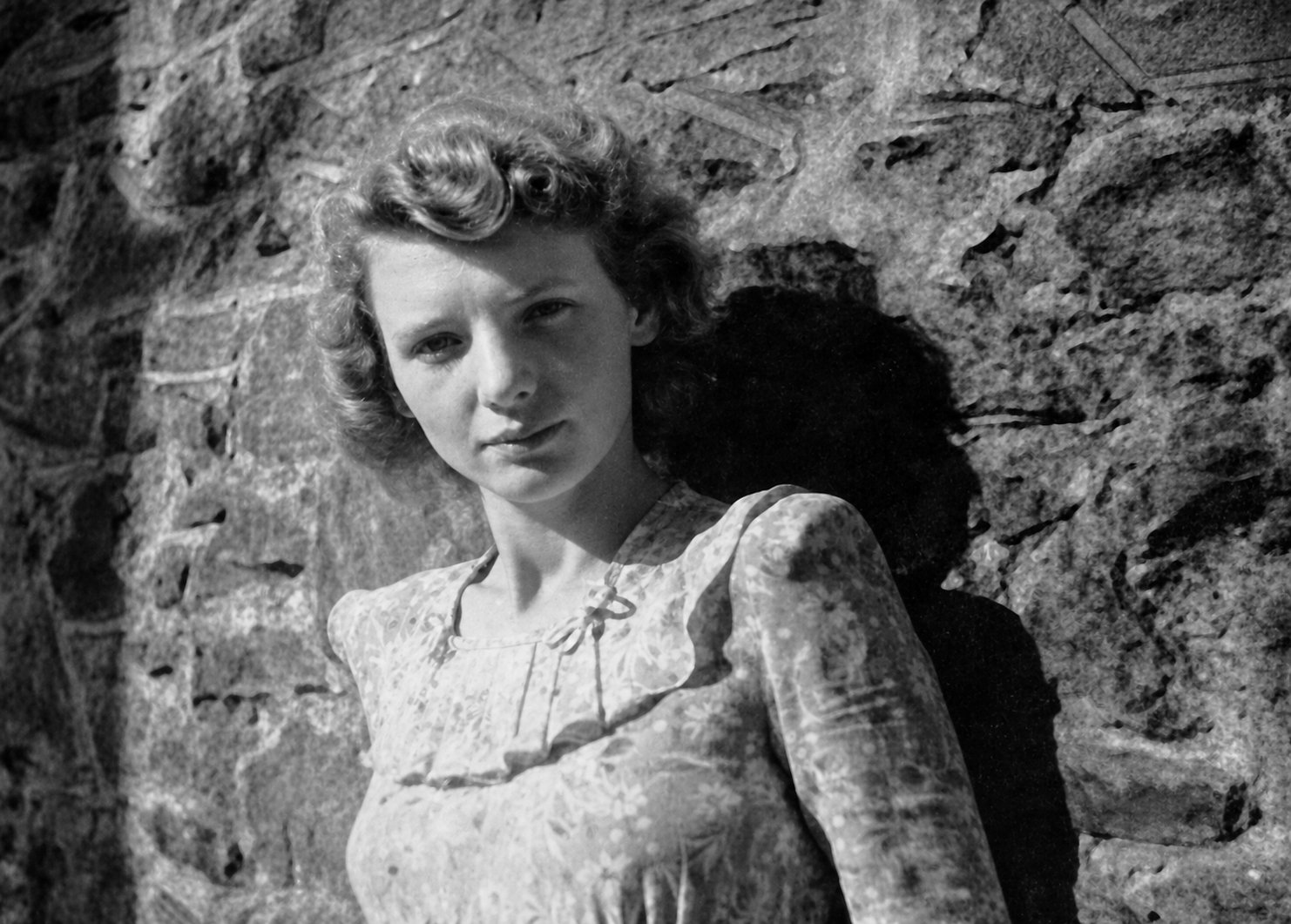
Mary Beryl Beckmann
English · Español abajo
Beryl Beckmann: a life in her community (1926–2026)
Beryl Beckmann lived to the age of one hundred. She grew up near Manchester, among the cotton mills and working communities of England’s industrial north. The streets and mills in L. S. Lowry’s paintings give a sense of the landscape she knew: a place of modest means, where people worked hard for a living.
She spent her childhood with her mother, a single parent, and her widowed grandfather in a large Victorian house within Dukinfield’s municipal cemetery. Her grandfather had become its caretaker after serving in the First World War, and the house came with the position. It gave the family a degree of comfort unusual in their surroundings, although their circumstances and connections remained rooted in the working community around them.
As a teenager, she witnessed the Manchester Blitz. She remembered the night sky bright as daylight, high winds, and stories of canals boiling from the heat of the fires. Her older brother Gordon served in Italy, including at Monte Cassino. War was present both in what happened at home and in concern for those who were away.
Around 1944, at about eighteen, she began training as a physiotherapist. Food and clothing were rationed, supplies were limited, and Manchester was still living with the destruction left by the Blitz. These were the circumstances in which she began her working life, learning a profession she would practise for many years.
After the war, she married Edward on his return from service in Malaya. He had remained there after the Japanese surrender, serving during the communal violence that followed, and came home with malaria. He rarely spoke about his service, apart from stories of man-eating tigers.
Beryl devoted her career to patients at Shire Hill Hospital in Glossop, Derbyshire. She cared about the people she treated and took an active interest in the community they shared. Her concern continued beyond the hospital: she recognised that people recovering from stroke could make further progress and need continued treatment and support after their National Health Service care had finished.
She established and ran a charity to meet that need, bringing continued treatment together with opportunities to meet and socialise. It gave people somewhere to go, familiar faces to see, and help with the continuing work of recovery. Sustaining it required the commitment she brought to caring for others throughout her life.
Joya: berilo (berilo is Spanish for beryl, the gemstone) celebrates Beryl Beckmann through an annual residency award for artists working in the care and health sectors. Whether their artistic practice is part of their profession or develops alongside it, we want to recognise the empathy and commitment their work requires. Offering them time, space and hospitality for their creative practice is our way of carrying forward something of her generosity.
Beryl Beckmann: una vida en su comunidad (1926–2026)
Beryl Beckmann vivió hasta los cien años. Creció cerca de Manchester, entre las fábricas de algodón y las comunidades obreras del norte industrial de Inglaterra. Las calles y fábricas que aparecen en los cuadros de L. S. Lowry permiten imaginar el paisaje que conoció: un lugar de recursos modestos, donde la gente trabajaba duro para ganarse la vida.
Pasó su infancia con su madre, que criaba a sus hijos sola, y su abuelo viudo en una gran casa victoriana dentro del cementerio municipal de Dukinfield. Su abuelo se había convertido en su encargado tras servir en la Primera Guerra Mundial, y la vivienda estaba vinculada al puesto. La casa ofrecía a la familia una comodidad poco habitual en su entorno, aunque sus circunstancias y sus vínculos seguían arraigados en la comunidad obrera de la que formaban parte.
Durante su adolescencia, fue testigo del Blitz de Manchester. Recordaba el cielo nocturno iluminado como si fuera de día, los fuertes vientos y los relatos de canales que hervían por el calor de los incendios. Su hermano mayor, Gordon, sirvió en Italia, incluido Monte Cassino. La guerra estaba presente tanto en lo que sucedía en casa como en la preocupación por quienes estaban lejos.
Hacia 1944, con unos dieciocho años, comenzó su formación como fisioterapeuta. Los alimentos y la ropa estaban racionados, los suministros eran escasos y Manchester seguía conviviendo con la destrucción que había dejado el Blitz. En esas circunstancias comenzó su vida laboral, aprendiendo una profesión que ejercería durante muchos años.
Después de la guerra, se casó con Edward, a su regreso del servicio militar en Malaya. Él había permanecido allí tras la rendición japonesa, durante la violencia entre comunidades que siguió, y regresó con malaria. Rara vez hablaba de su servicio, salvo para contar historias de tigres que atacaban y devoraban a personas.
Beryl dedicó su carrera a los pacientes del hospital Shire Hill, en Glossop, Derbyshire. Se preocupaba por las personas a las que atendía y participaba activamente en la comunidad que compartían. Su compromiso iba más allá del hospital: reconocía que las personas que se recuperaban de un ictus podían seguir progresando y necesitar tratamiento y apoyo una vez finalizada su atención en el Servicio Nacional de Salud británico.
Fundó y dirigió una organización benéfica para responder a esa necesidad, combinando la continuidad del tratamiento con oportunidades para reunirse y relacionarse. Ofrecía un lugar al que acudir, rostros conocidos y ayuda para seguir avanzando en la recuperación. Mantenerla en funcionamiento exigía el compromiso que Beryl demostró hacia el cuidado de los demás durante toda su vida.
Joya: berilo —nombre en español de la gema que en inglés se llama beryl— celebra la vida de Beryl Beckmann mediante una beca anual de residencia para artistas que trabajan en los sectores de los cuidados y la salud. Tanto si su práctica artística forma parte de su profesión como si la desarrollan en paralelo, queremos reconocer la empatía y el compromiso que su trabajo requiere. Ofrecerles tiempo, espacio y hospitalidad para su práctica creativa es nuestra manera de dar continuidad a algo de su generosidad.